

Introduction
Modern systems increasingly rely on information from multiple sources to make accurate decisions and deliver better experiences. Text, images, audio, video, sensor readings, and other forms of data each provide valuable insights, but analyzing them separately can limit their effectiveness. Data fusion techniques for multimodal applications help combine different types of information to create a more complete understanding of a situation.
From health-care and autonomous systems to business analytics and intelligent applications, data fusion plays an important role in improving accuracy, efficiency, and decision-making.
What Is Data Fusion?
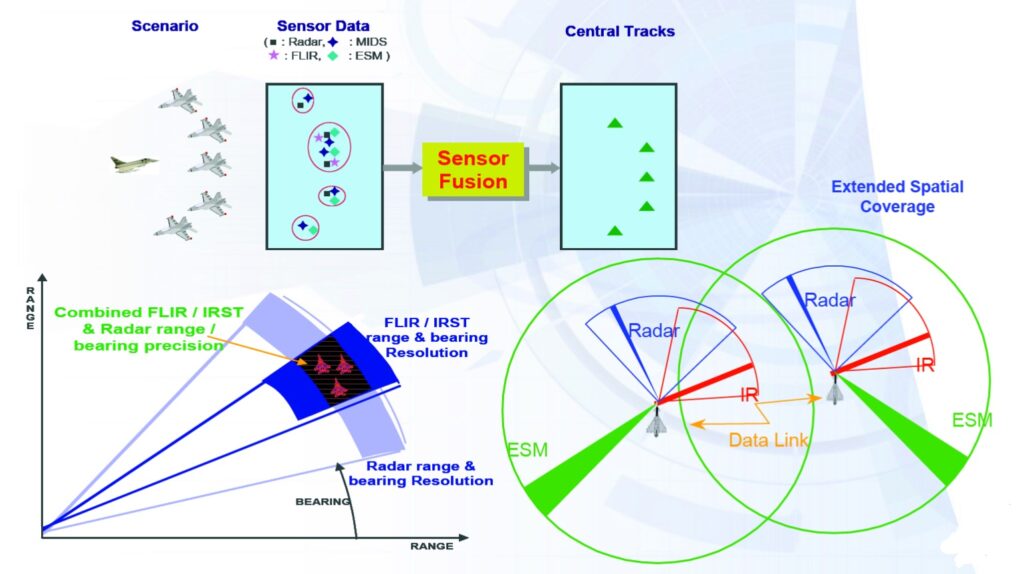
Data fusion is the process of combining data from multiple sources or modalities to produce more meaningful and reliable information. In multimodal applications, each modality represents a different type of input, such as language, visual information, sound, or numerical data.
For example, a health-care system may combine medical images, patient records, and sensor data to support better analysis. Similarly, a smart device may use voice commands, camera inputs, and environmental sensors to understand user needs more effectively.
By integrating multiple sources, data fusion helps overcome the limitations of individual data types and provides a broader perspective.
Why Data Fusion Is Important for Multimodal Applications
Different data modalities have different strengths. Text can provide detailed descriptions, images can offer visual context, and audio can capture additional information through speech or environmental sounds.
Some key benefits of data fusion include:
1. Improved Accuracy:
Combining multiple data sources allows systems to analyse information from different perspectives, reducing errors and improving outcomes.
2. Better Context Understanding:
Multiple modalities provide additional context that a single data source may miss. This helps systems make more informed decisions.
3. Enhanced Reliability:
When one data source is incomplete or unclear, information from other modalities can help fill the gaps.
4. More Natural Interactions:
Multimodal systems can understand and respond to users through different forms of communication, creating more intuitive experiences.
Common Data Fusion Techniques
1. Early Fusion
Early fusion combines different data types at the beginning of the processing pipeline. The system integrates raw or lightly processed data from multiple modalities before analysis.
2. Late Fusion
Late fusion processes each data modality separately before combining the results at the final stage. For example, one system may analyse images while another processes text, and their outputs are combined to produce a final decision.
3. Intermediate Fusion
Intermediate fusion combines information during the feature extraction stage. Instead of merging raw data or only final results, the system combines learned features from different modalities.
4. Attention-Based Fusion
Attention-based fusion allows systems to identify which parts of different data sources are most important for a specific task.
5. Hybrid Fusion
Hybrid fusion combines multiple fusion methods to take advantage of their strengths. It may use early, intermediate, and late fusion approaches together to create more flexible and powerful systems.
Conclusion
Data fusion is a critical component of multimodal applications because it enables systems to combine different types of information and develop a deeper understanding of complex situations. Techniques such as early fusion, late fusion, intermediate fusion, and attention-based fusion help organizations unlock the value of diverse data sources.
As technology continues to advance, effective data fusion strategies will become increasingly important for building smarter, more accurate, and more responsive systems across industries.