

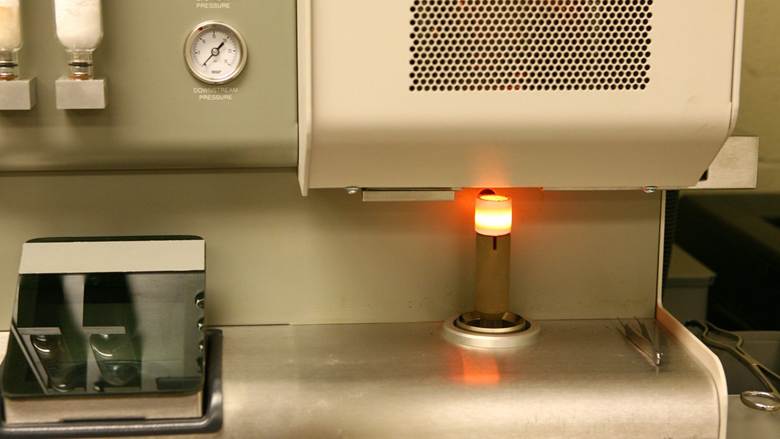
When you’re running trace sulfur analysis, precision isn’t just important—it’s everything. Whether you’re analysing petrochemicals, refining processes, or environmental samples, even the tiniest error can skew your data, compromise compliance, or throw your production goals off course. And the truth is, it’s surprisingly easy to make mistakes. But here’s the good news: you can avoid them. All it takes is the right approach, the right tools, and yes, the right mindset. If you’ve ever felt frustrated by inconsistent results, keep reading because this might be exactly what you need to hear.
Stop Sabotaging Your Results: The Contamination You Don’t See
You might not notice it, but contamination could be ruining your samples long before they reach the analyser. It happens silently, through contact with gloves, air exposure, or residues in your labware. When sulfur is measured in parts per billion, even a trace contaminant is enough to blow your entire reading out of proportion. And just like that, your hard work goes down the drain.
That’s why you’ve got to be militant about cleanliness. Use only high-purity reagents and make sure your tools are spotless, preferably dedicated to sulfur testing. Handle samples using a sealed system. Avoid touching surfaces that could sneak in contaminants. Your testing environment should work with you, not against you.
Think You’re Calibrated? Think Again
Calibration isn’t a checkbox; it’s the foundation of reliable testing. Yet it’s often rushed, skipped, or poorly executed. You might believe your analyser’s good to go, but if you’re using outdated standards or ignoring calibration drift, you’re setting yourself up for unreliable results. Faulty calibration doesn’t always scream error. Sometimes it whispers quietly, misleading you until trust in your data crumbles.
So here’s what you do. Calibrate using certified reference materials that match your sample matrix as closely as possible. Stick to a strict calibration schedule and verify performance with control checks. Trust the process, but only if the process is solid. Some high-sensitivity sulfur analyzers even offer real-time calibration monitoring, so use those tools to your advantage.
The Matrix Is Messing With You—Here’s How to Fight Back
The sample matrix. It might look harmless, but it can change how sulfur behaves during analysis. Crude oil, polymers, fuel additives—each comes with its own chemical baggage. And if you’re not accounting for that, your results may veer far from reality.
What’s the fix? Use matrix-matched calibration standards. If that’s not an option, try internal standards or dilution methods to minimise the effect. Some trace sulfur analysers feature matrix compensation capabilities. For instance, petroleum sulfur analysis equipment is built to handle heavy, complex matrices. Getting this right is crucial for confidence in your trace sulfur analysis data.
Default Settings Are Dangerous. Tailor or Tank Your Test
It’s tempting to leave analyser settings on default. After all, they were pre-set for a reason, right? Maybe, but not for your unique sample, under your current lab conditions. If you’re ignoring parameters like combustion temperature or carrier gas flow rate, you’re risking poor results.
Take control. Read your equipment’s application notes. Adjust settings deliberately. Train your team to identify when fine-tuning is needed. A properly optimised analyser performs consistently. And when you’re working with ultra-low sulfur detection systems, even small errors in setup can derail your outcome.
Storing Samples? You Might Be Losing Accuracy by the Hour
Sulfur compounds can degrade quickly. Leave a sample in poor conditions, and it changes—often without warning. Then you’re left wondering why your readings are off, when it was light exposure or time that altered your data.
Use amber glass containers or inert vials. Keep samples cool and away from direct light. Better yet, test them as soon as possible. If storage is unavoidable, document every detail—time, temperature, and environment. This is especially important when your goal is accurate total sulfur content measurement for regulatory or production use.
Your Instrument Has Limits, and You Might Be Ignoring Them
Your analyser might be advanced, but it still has limits. Every tool does. Pushing beyond its detection range creates unreliable data. Trying to measure levels below what your instrument can detect is like listening for a whisper in a noisy room—it just doesn’t work.
Make sure your analyser suits your application. If you’re measuring ultra-low concentrations, choose a model designed for it. Review the specs. Validate the performance. If you’re involved in trace element detection in fuels, choosing the right equipment isn’t optional—it’s essential.
Don’t Skip Maintenance. Your Equipment Can’t Run on Hope
Maintenance doesn’t get the spotlight, but it deserves your attention. When deadlines pile up, it’s tempting to postpone upkeep. But letting your analyser run unchecked leads to drift, downtime, and even equipment failure.
Stick to a maintenance schedule. Replace consumables when needed. Clean the detector, inspect for buildup, and check your flow lines. Log your maintenance work. A well-maintained analyser gives you reliable data and protects your investment.
Automation’s Powerful, But It Still Needs You
Automation speeds up workflows and reduces human error. But it’s not infallible. Software won’t question results that look suspicious. That’s your job. Relying on automation without oversight leaves room for unnoticed mistakes.
Review automated results manually, especially when working with unfamiliar samples or new methods. Train your team to dig deeper when results don’t make sense. When people and machines work together, you get the precision that modern labs demand.
You Deserve Better Data, and It’s Within Reach
These trace sulfur analysis challenges aren’t signs of failure. They’re opportunities to sharpen your edge. With the right habits, consistent training, and equipment you trust, you’ll rise above these obstacles.
Your analyser is a tool. But your judgment, your process, and your commitment to accuracy are what turn data into decisions. Stay vigilant. Stay curious. Don’t settle for approximations. In your line of work, the details matter—and getting them right makes all the difference.